
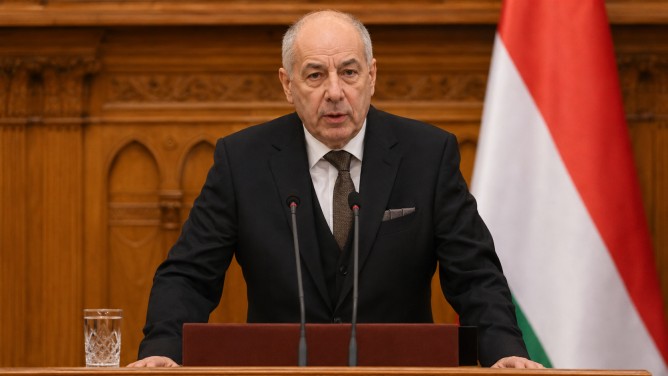
Hungary is embroiled in a constitutional dilemma following the approval of a legislative amendment that could prematurely end the tenure of President Tamás Sulyok. This controversial proposal, supported by the majority in parliament, mandates that the president sign the amendment to bring it into force. However, this requirement places President Sulyok in a precarious position, as affixing his signature would result in the termination of his own term.
During an event commemorating the “Day of the Courts,” President Sulyok underscored the importance of the rule of law and judicial independence. He asserted that legal norms must remain insulated from political influences, a statement widely interpreted as a critique of the current constitutional impasse. The president’s office echoed these sentiments, advocating for adherence to constitutional principles and cautioning against the unbridled exercise of parliamentary authority.
Legal scholars suggest that President Sulyok’s options are constrained by the Hungarian constitution. Should he choose, he may challenge the amendment on procedural grounds by referring it to the Constitutional Court. However, if the court deems the amendment legally sound, the president would be compelled to enact it. In the event that President Sulyok refuses to sign, parliamentarians have the option to initiate impeachment proceedings or declare him temporarily incapacitated, thereby transferring presidential duties to the parliamentary speaker, who could then sign the legislation.
This legislative move has sparked broader concerns regarding the rule of law in Hungary. Legal experts emphasize that any constitutional amendments should be crafted to uphold legal certainty and safeguard the autonomy of public institutions. The debate over this amendment has highlighted the delicate balance between legislative power and judicial independence, a balance that many believe should remain untainted by political maneuvers.