
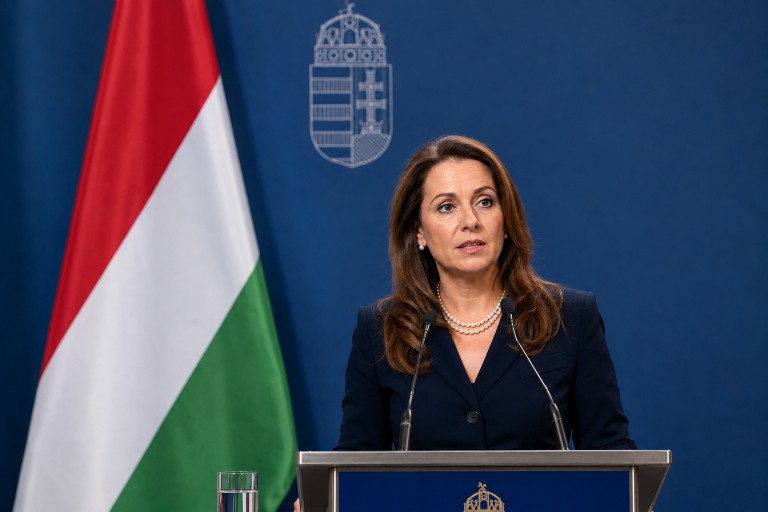
In her initial 100 days as Hungary’s Foreign Minister, Anita Orbán has come under fire for prioritizing image-building over tangible diplomatic achievements. Critics have pointed to several pressing issues that arose during her tenure, such as an energy crisis, drought, and the record low water levels in the Danube, arguing that the government’s approach lacked the necessary international engagement to effectively tackle these challenges.
The ministry’s handling of crises, like the situation involving Hungarian tourists stranded in Sicily due to Mount Etna’s eruption and subsequent flight cancellations, also attracted criticism. Concerns were voiced about the adequacy of assistance provided by Hungary’s diplomatic missions during such emergencies, questioning the ministry’s preparedness and responsiveness.
During this period, Orbán’s ministry took significant steps by dismissing 62 ambassadors and mission chiefs across two phases. While this move was part of a broader restructuring, critics warned it might compromise the effectiveness of Hungary’s diplomatic network, potentially impacting the country’s foreign relations and international standing.
Despite these challenges, Orbán has initiated a communications campaign aimed at showcasing the ministry’s operations and the role of its diplomatic facilities. Yet, detractors argue that this focus on communication has not translated into substantial advances in Hungary’s foreign policy or national interests, with the first 100 days marked by limited concrete progress.