
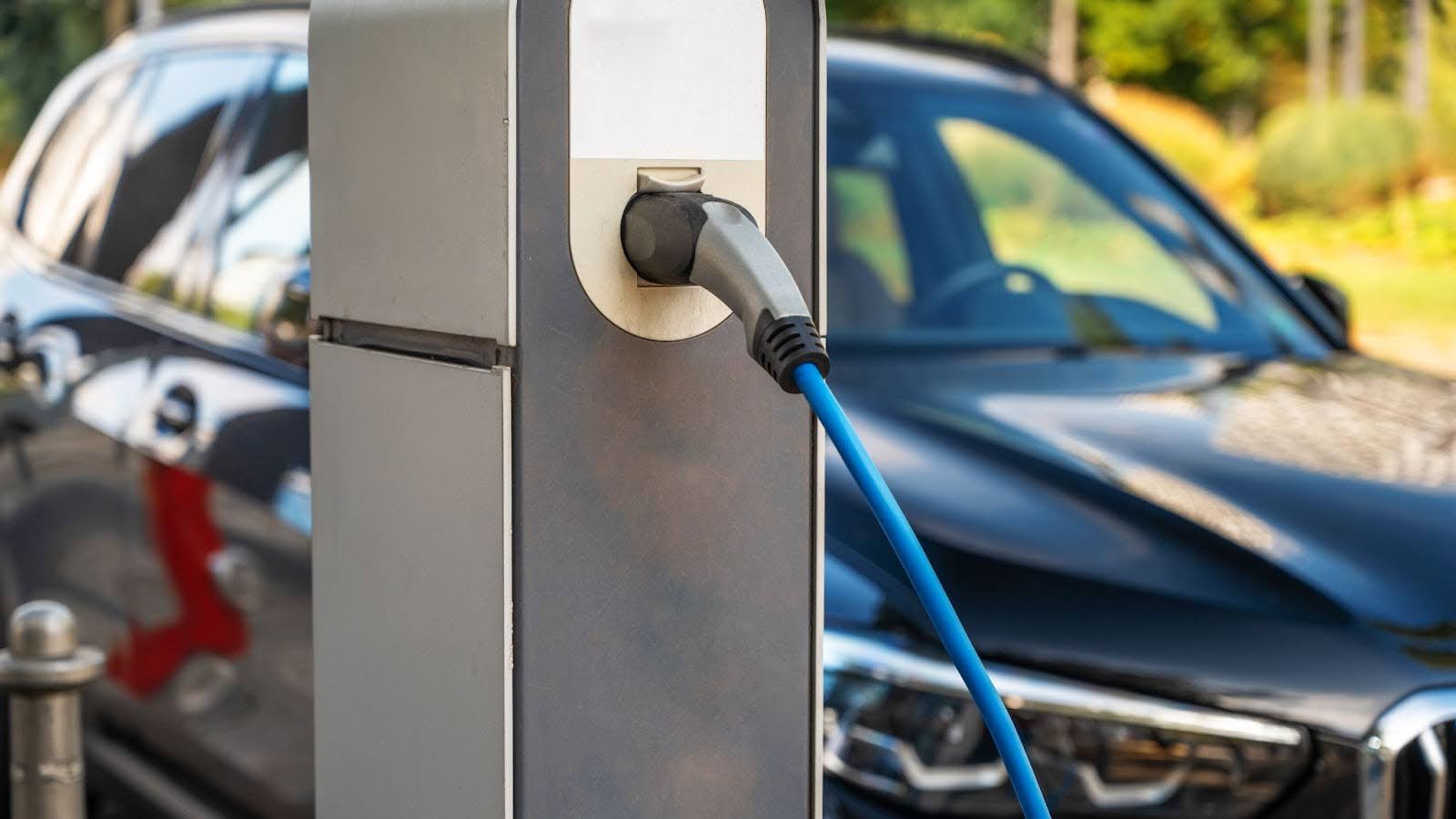
The political demography of American EV buying has historically skewed heavily progressive — concentrated in Democratic-leaning coastal states, among college-educated voters, and among consumers who prioritize environmental values. The current moment, with $3.90 gas driven by the Iran conflict, is producing something new and potentially transformative for US interest in electric vehicles: the reluctant Republican EV buyer — a conservative consumer motivated by financial pragmatism and energy independence rather than environmental ideology.
The motivation is provided by Iran’s closure of the Strait of Hormuz following US and Israeli military strikes. That waterway carries roughly one-fifth of global oil supply, and its disruption elevated crude prices and pushed American retail fuel costs to their highest level in nearly three years. CarEdge documented a 20 percent EV search increase over three weeks. Within that increase are consumers who would not identify as typical EV buyers — including conservative voters who are reconsidering their transportation choices on strictly financial and energy security grounds.
Don Francis, president of the EV Club of the South and a three-time Trump voter, is the archetypal reluctant Republican EV buyer. His EV advocacy is explicitly motivated by energy independence and national security rather than environmental values. He represents a growing constituency within conservative America that sees electric vehicles not as green ideology but as practical tools for reducing American exposure to foreign oil market vulnerability and the geopolitical conflicts it generates.
CarEdge’s Justin Fischer said search data suggests the current wave includes consumers from demographics and geographies typically underrepresented in EV research. Edmunds’ Jessica Caldwell agreed, noting that the financial framing of the current EV conversation is reaching conservative consumers in ways that previous EV arguments consistently failed to do at meaningful scale.
The reluctant Republican EV buyer matters for American electrification because EV policy and infrastructure investment are more durable when they have bipartisan support. A consumer base that spans the political spectrum is more resistant to policy reversal than one concentrated in a single political coalition. If the Iran conflict is broadening the EV constituency across political lines, it may be creating the political conditions for the kind of stable, sustained EV support that the US market has consistently lacked.