
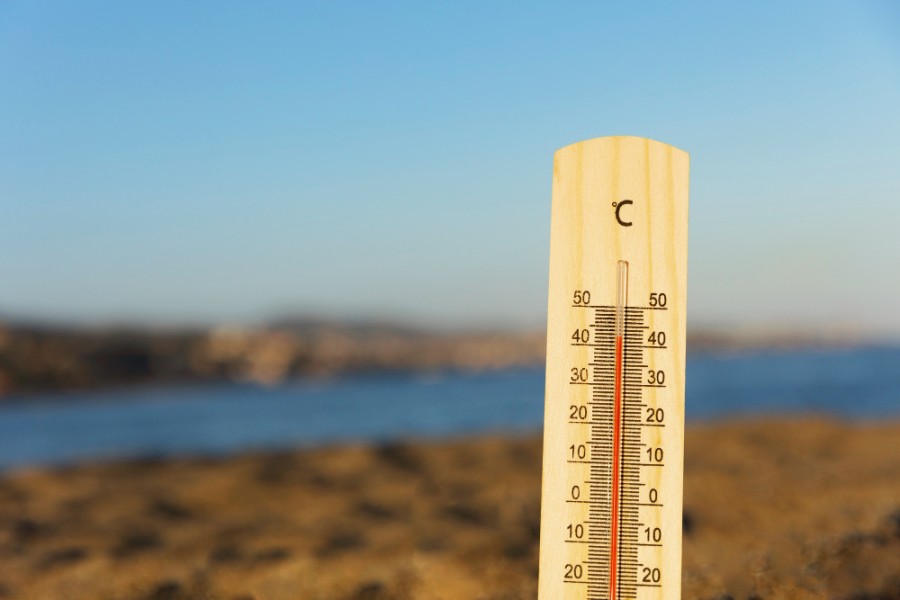
In a significant turn of weather events, a formidable heatwave is sweeping through central, eastern, and southern Europe, prompting emergency warnings and record-breaking temperatures across the region. Cities such as Budapest, Belgrade, and Bucharest are experiencing unprecedented heat, leading authorities in Hungary, Poland, Romania, Serbia, Croatia, Slovakia, and Bosnia and Herzegovina to implement emergency measures to safeguard their populations. Officials have issued red heat alerts, urging the public to minimize outdoor activities during peak heat hours to avoid health risks.
Germany is grappling with its own set of challenges as the heatwave persists, with temperatures exceeding 40°C for the third day in a row. This extreme weather has caused notable disruptions in transportation, damaging railway and tram infrastructure and complicating travel. In response, several countries have established cooling centers to provide relief and are taking additional measures to protect vulnerable groups from the adverse effects of the sweltering heat.
The soaring temperatures have also heightened the risk of wildfires, with emergency services actively combating incidents in parts of southern Europe. On the Croatian island of Vis, emergency teams are working tirelessly to control a wildfire, while authorities caution both locals and tourists to stay vigilant and adhere to safety guidelines.
While western Europe is beginning to see some respite following a spell of record-high temperatures, the heatwave has already been linked to an increase in mortality rates, underscoring the severe impact of this extreme weather phenomenon. Experts attribute the intensity and vast reach of the heatwave to the overarching effects of climate change, which continues to alter weather patterns globally.
Ukraine finds itself under additional strain as the oppressive heat exacerbates the existing challenges posed by its damaged energy infrastructure, a consequence of ongoing conflict. The rising demand for electricity amid the extreme temperatures threatens to further stress the already fragile power supply, prompting officials to issue warnings about potential energy shortages and urging conservation efforts where possible.