
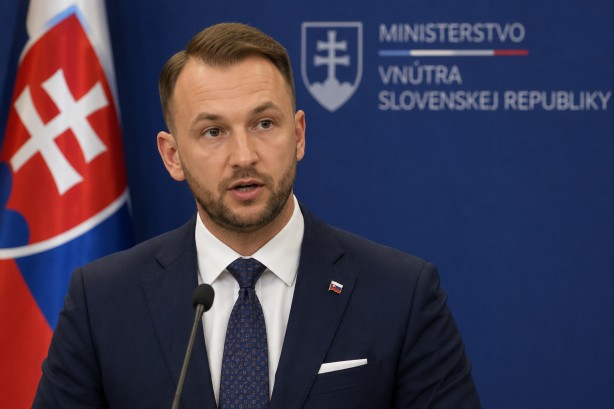
In a recent appearance on Slovak television, Interior Minister Matúš Šutaj Eštok voiced strong criticism of the European Union, alleging that it applies double standards when assessing Hungary’s adherence to the rule of law. Eštok specifically pointed out the EU’s muted response to recent political changes in Hungary under Prime Minister Péter Magyar, which he contrasted with the EU’s historically tougher stance on similar actions.
Eštok highlighted several controversial changes in Hungary’s political landscape, including the dismissal of the country’s president, amendments to the constitution, and new restrictions impacting members of parliament. Additionally, he noted reforms affecting Hungary’s public broadcaster. According to Eštok, if these actions had been taken under the leadership of former Prime Minister Viktor Orbán, the European Union would likely have responded with harsher criticism and potential sanctions.
The Slovak Interior Minister is not alone in his concerns. Slovak Foreign Minister Juraj Blanár has also expressed unease over Hungary’s constitutional changes, particularly those impacting the presidency, arguing that they do not align with principles of the rule of law. Eštok’s comments feed into a broader political discourse surrounding the EU’s approach to democratic and legal developments in Hungary.
The European Commission’s response, or lack thereof, to these developments in Hungary has come under scrutiny. Eštok questioned why the EU institutions have not subjected Hungary’s recent political shifts to the same level of examination as they have in the past. This raises questions about the consistency of the EU’s engagement with rule-of-law issues across member states.
The situation adds another layer to the ongoing debate within the European Union regarding how it handles rule-of-law issues in its member countries. Eštok’s remarks underscore the perceived inconsistency in the EU’s approach, potentially impacting the Union’s credibility and the future of its policies on democratic governance.