
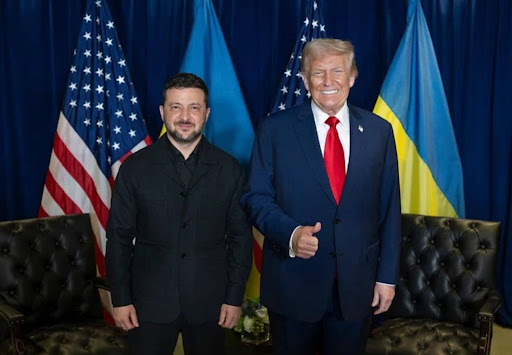
Political skepticism inside the Trump administration toward Ukraine’s leadership played a direct role in leaving American troops vulnerable to Iranian drone attacks that have since killed seven service members. Officials who reviewed a comprehensive Ukrainian defense proposal last August described concerns that Zelensky was being too promotional — a judgment that prevented a strategically sound offer from being implemented.
The offer itself was substantive. Ukraine had developed a fully operational suite of counter-drone systems designed specifically to intercept Iranian Shahed-type attack drones, the same weapons now being used against American bases. The proposal included a blueprint for establishing forward drone defense installations in Jordan, Turkey, and Gulf states, supported by Ukrainian technology and personnel.
Zelensky brought the proposal to Trump directly during their August White House meeting. The briefing contained specific intelligence-grade warnings about Iran’s improving drone capabilities and a strategic framework for addressing them. Trump reportedly received the presentation positively and asked his team to pursue the matter. The team did not.
The result has been the deployment of expensive conventional air defense systems against cheap Iranian drones — a cost asymmetry that benefits Iran strategically. Seven Americans have been killed, and the financial toll of intercepting Iranian drone attacks continues to grow. The contrast between what could have been and what is stands as a direct indictment of the decision made in August.
Ukraine’s deployment to Jordan came after the US formally requested assistance. Specialists arrived within 24 hours of the request. Additional teams are active in Gulf states. The infrastructure that political hesitation blocked last August is now being constructed in the middle of an active conflict.
How Internal White House Politics Left American Soldiers Exposed to Iranian Drones
30