
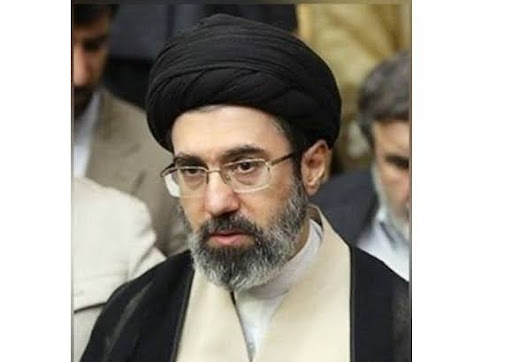
Iran presented a unified institutional front on Sunday as the Assembly of Experts named Mojtaba Khamenei — son of the slain supreme leader — as the country’s new chief authority. The announcement was followed quickly by endorsements from the IRGC, the armed forces, parliament, and key security officials, all calling on Iranians to stand behind the new leader during what they described as an especially challenging moment for the nation.
Ayatollah Ali Khamenei, who ruled Iran for 37 years, was killed in a US-Israeli military strike on Tehran on February 28. His death created an immediate succession challenge that the regime appears to have resolved — at least on paper — through the appointment of his son. Mojtaba Khamenei, 56, brings deep familiarity with the system to his new role but no formal experience in governance or public administration.
State media broadcast images of military loyalty alongside messages from senior politicians and religious scholars pledging allegiance. The Houthis in Yemen were among the most vocal external supporters, issuing a statement celebrating Mojtaba’s appointment as a triumph for the resistance axis. The Iranian military showed missiles bearing messages addressed to the new supreme leader, suggesting operational loyalty at the frontlines.
Israel did not pause. Fresh strikes on Iranian infrastructure were confirmed by the Israeli military on Monday, framed as part of an ongoing campaign against the regime. Iran’s IRGC threatened to trigger a global oil crisis, warning that continued attacks on Iranian energy facilities could push crude prices past $200 a barrel. Gulf states reported Iranian attacks, with civilian casualties in Saudi Arabia and infrastructure damage in Bahrain.
The question of whether Iran’s rally around Mojtaba represents genuine popular unity or elite coordination remains open. Within the corridors of power, the support appears solid. But Iran is a country under enormous stress — military, economic, and political — and a new supreme leader who has never governed publicly will need to do more than collect pledges. He will need to deliver results in one of the most difficult environments any Iranian leader has ever faced.
Iran Rallies Behind Son of Slain Ayatollah as Regional War Deepens
37
previous post