
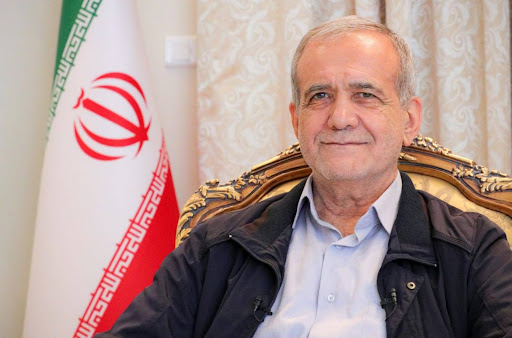
Gulf nations find themselves caught between Iranian warnings and the reality of hosting a major US military presence, a tension that has defined the first month of the Iran-US war. Iranian President Masoud Pezeshkian publicly addressed Gulf governments via X, urging them to remove foreign military operations from their soil or face continued retaliatory strikes from Tehran. The message placed Gulf states directly at the center of the conflict’s diplomatic and military fault lines.
Countries like Saudi Arabia, the UAE, Qatar, Kuwait, and Oman have American military bases that have been used to strike Iran. Tehran has responded with retaliatory strikes in those countries, pulling Gulf governments into the conflict against their will. The situation has created an almost impossible diplomatic position for these nations, which must balance longstanding security relationships with Washington against Iran’s increasingly forceful pressure.
Pezeshkian confirmed Iran’s no-preemptive-strike policy but stressed that attacks on Iranian infrastructure or economic assets will always provoke a strong response. His warning to Gulf governments was framed as advice rooted in their own interests: stop hosting the enemy’s war operations or accept the ongoing security risks. The message was a call for Gulf self-assertion in the face of external military pressures.
Pakistan has emerged as the key mediating power in the conflict. Prime Minister Shehbaz Sharif said that Pezeshkian told him trust must be established before peace talks can begin. Pakistan’s foreign ministry is hosting a major ministerial meeting in Islamabad with Saudi Arabia, Egypt, and Turkey’s foreign ministers to deliberate on de-escalation measures.
Pakistan’s Ishaq Dar will lead the talks and meet with Prime Minister Sharif as well. Iran has praised Islamabad’s mediation as sincere and constructive. The Islamabad meetings represent the clearest diplomatic opening yet to shift the conflict’s momentum toward dialogue and eventual resolution.