
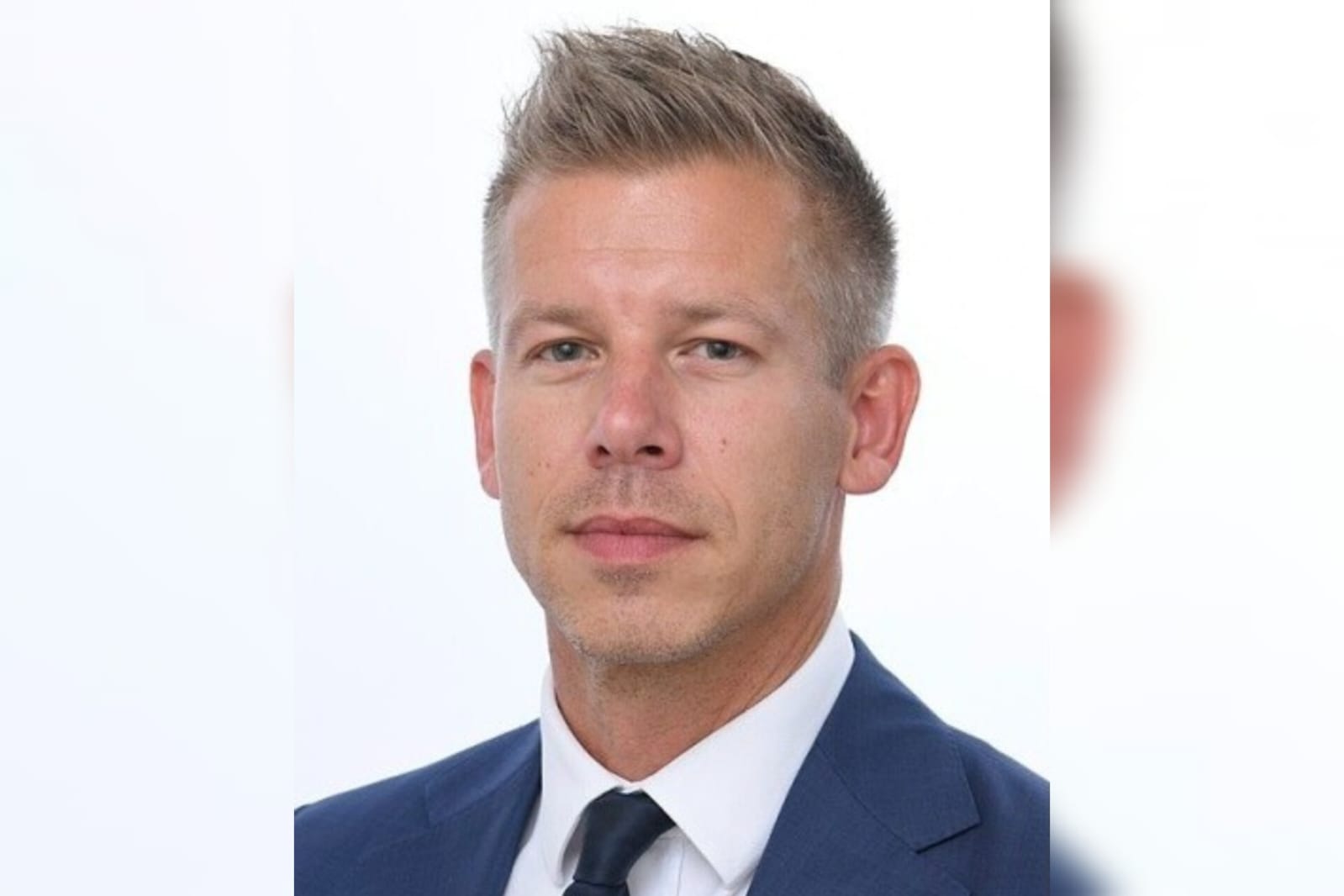
Péter Magyar, the recent victor in Hungary’s elections, is looking to forge a strategic alliance with Poland’s Prime Minister Donald Tusk. By doing so, he hopes to leverage Poland’s experience in mending ties with the European Union after a period marked by illiberal governance. Both Hungary and Poland, since 1989, have experienced similar political trajectories. Now, with Magyar and Tusk at the helm—both center-right, pro-European leaders—their challenge lies in restoring the rule of law and strengthening state institutions after years of democratic regression and EU disputes.
On election night, Tusk, calling from Korea, expressed his elation to Magyar, saying, “I’m so happy. I think I am even happier than you, you know?” The following morning, Tusk addressed the media, emphasizing the significant shift in Eastern Europe away from corrupt and authoritarian regimes. He conveyed a sense of relief, stating that the region is not destined for such governance, highlighting the recent political changes in Warsaw, Bucharest, Chișinău, and now Budapest.
Magyar reciprocated Tusk’s sentiments by emphasizing a “special relationship” with Poland and announcing plans for his inaugural international visit to Warsaw. He also noted his intention to expedite legal actions against two former Polish ministers currently in Budapest, fleeing prosecution for alleged power abuses under Poland’s previous right-wing Law and Justice government. Magyar’s rapid ascent to power could see him inaugurated on May 9, a date celebrated as “Europe Day” by the EU, aligning with his broader European aspirations.
In a sign of changing tides, EU officials engaged in preliminary discussions with Magyar’s incoming administration, with expectations that Hungary will lift its opposition to a €90 billion loan to Ukraine and agree to new sanctions against Russia. There is also anticipation that Hungary will meet several EU conditions concerning its institutional framework, judiciary, corruption checks, asylum laws, and academic freedoms. Behind the scenes, Polish and Hungarian officials are already collaborating on strategies to reverse years of governance issues, similar to Poland’s recent political reforms that unlocked frozen EU funds.
As the new Hungarian government prepares to meet its August deadline to access a €10.4 billion EU tranche, Magyar’s decisive electoral victory provides him with the mandate to implement necessary changes. With a two-thirds parliamentary majority, Magyar is poised to enact reforms more smoothly than Poland, where changes were often met with opposition challenges. However, Magyar acknowledges the lasting impact of the Orbán era on state officials and is committed to joining the European Public Prosecutor’s Office to tackle corruption from the past 16 years. As the transition unfolds, the collaboration between Poland and Hungary offers a promising blueprint for political renewal in the region.