
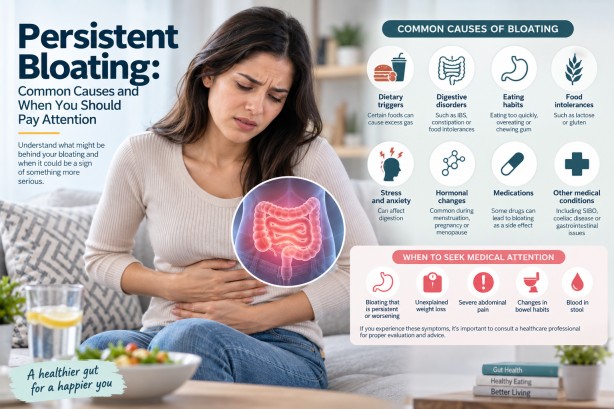
Experiencing bloating is a common occurrence for many, often following a substantial meal or when certain foods clash with the digestive system. However, if bloating becomes a regular issue, it’s worthwhile to consider factors beyond just recent dietary choices. Elements such as hormonal changes, digestion speed, stress levels, and lifestyle habits can significantly contribute to frequent bloating episodes.
Hormonal fluctuations can have a noticeable impact on digestion and fluid retention in the body. These changes might lead to increased water retention, constipation, or slower digestion, often becoming more pronounced for women during different phases of their menstrual cycle or as they approach menopause. Additionally, a slowdown in digestion can result in food and gas lingering in the digestive tract longer than usual, causing sensations of heaviness and abdominal swelling. Rapid eating, consuming large portions, and irregular meal schedules can exacerbate these discomforts.
The intricate connection between the brain and digestive system means that stress can severely affect digestion. Prolonged stress periods may lead to bloating, constipation, stomach discomfort, or a change in appetite. Adopting relaxation techniques, maintaining a consistent sleep routine, and engaging in gentle physical activities can help support digestive health and alleviate some stress-related symptoms.
Incorporating small adjustments into daily habits can make managing bloating more manageable. Eating slowly, thoroughly chewing food, avoiding large late-night meals, and limiting excessive salt and highly processed foods are beneficial steps. Staying hydrated, taking gentle walks post-meals, and avoiding prolonged sedentary periods can also contribute positively. Monitoring when bloating occurs can help identify patterns, particularly in relation to menstrual cycles or stress levels.
While occasional bloating is typically not alarming, persistent or worsening symptoms should not be ignored. It is essential to consult a healthcare professional if bloating is accompanied by pain, lasts an extended period, or occurs with unexplained weight loss, fatigue, changes in bowel habits, vomiting, blood in the stool, or other unusual symptoms. Understanding the root cause of persistent bloating is more beneficial than relying solely on dietary restrictions or home remedies. Focusing on sustainable lifestyle habits and seeking medical advice when necessary ensures a proactive approach to managing bloating.