
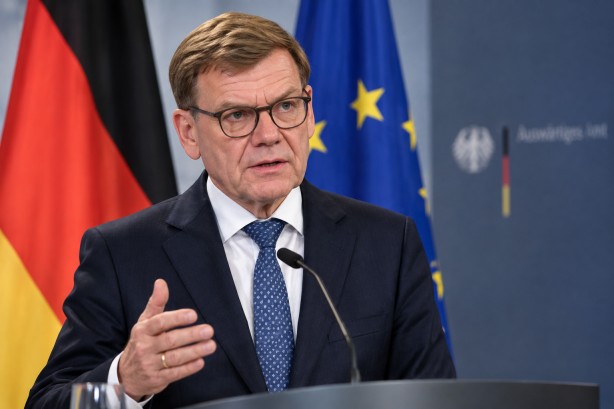
The strengthening of economic and diplomatic ties between Germany and Hungary is set to bring significant benefits to both nations, as German Foreign Minister Johann Wadephul’s recent visit to Budapest underscored. The discussions focused on enhancing cooperation in energy, economic policy, and European Union affairs, underscoring a commitment to deepen bilateral relations.
During his visit, Wadephul emphasized the importance of reducing reliance on Russian energy and diversifying energy sources, a move that could bolster European security and stability. This aligns with ongoing efforts within the EU to ensure energy independence, a critical issue in the current geopolitical climate.
Economic collaboration was a key focus, highlighted by meetings between Wadephul, Hungary’s Minister of Economy and Energy, and representatives from major German firms such as Mercedes-Benz, Siemens, and BMW. These discussions aimed to enhance economic recovery, improve competitiveness, and expand infrastructure and communications. German companies play a vital role in Hungary’s economy, and both countries are eager to further integrate and expand their economic ties.
Wadephul also expressed support for Hungary’s rule-of-law reforms and discussed the nation’s access to EU funds, indicating a broader reset in Hungary-Germany relations. This dialogue is expected to contribute positively to Hungary’s economic landscape and its standing within the EU.
The visit marks a significant moment as Berlin and Budapest seek to realign their relationship amidst broader European challenges. With shared interests in energy security and economic development, the strengthened partnership between Germany and Hungary is poised to benefit both nations and contribute to greater stability within the EU.