
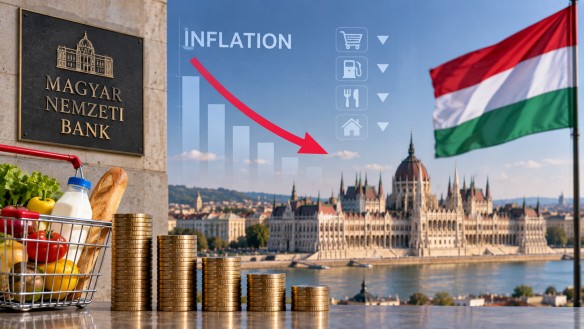
In an unexpected turn, Hungary’s annual inflation rate dropped to 1.3% in August, falling below both the Hungarian National Bank’s target and market predictions. This figure marks a slight increase of 0.2% in consumer prices since July, while annual core inflation saw a marginal rise from 1.9% to 2.0%. The reported inflation was lower than the 1.4% increase anticipated by analysts, remaining under the central bank’s target range. Economists have pointed to several factors for this unusual dip, including a stronger forint, subdued inflation expectations, reduced global food prices, and ongoing price caps.
Despite the overall low inflation, some price pressures have started to surface. Notably, the costs of fuel and services have risen, and the weaker forint has driven up prices for durable consumer goods and fuel. Meanwhile, food prices have continued their downward trend, and clothing prices have decreased in line with seasonal patterns. Looking ahead, economists predict a gradual increase in inflation through the rest of the year. ING Bank has forecasted that annual inflation might climb slightly above 2% by December, with the average inflation for the year staying around 1.7% to 1.8%.
The current inflation scenario may provide the Hungarian central bank with an opportunity to continue reducing interest rates. ING Bank projects a reduction in the key rate from 5.5% to 5% by year’s end. However, potential obstacles such as the weakening forint, escalating energy prices, global market volatility, and geopolitical uncertainties could lead policymakers to reconsider further rate cuts.
Erste Bank anticipates that the central bank will maintain its existing inflation target during its September meeting, possibly paving the way for additional monetary easing. Concurrently, the Monetary Council might opt to pause its rate-cutting cycle due to the uncertainty surrounding global bond markets and geopolitical tensions.
Furthermore, analysts have cautioned that inflation could accelerate later in the year, spurred by rising fuel costs and potential hikes in food prices linked to drought conditions. Nonetheless, slower wage growth and limited corporate plans to increase prices might help mitigate broader inflationary pressures.