
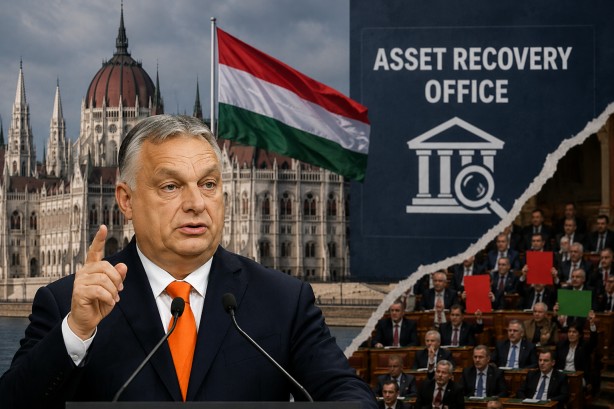
In a significant legislative move, Hungary’s Parliament has sanctioned the establishment of the National Asset Recovery and Asset Protection Office (NVVH). This newly formed entity is charged with the mission of probing and reclaiming public assets that may have been mismanaged or unlawfully transferred under prior administrations. The legislative proposal gained traction with the backing of the ruling TISZA Party as well as the opposition faction Our Homeland Movement, although it faced opposition from FIDESZ lawmakers who cast their votes against it.
The establishment of the NVVH has ignited a robust political discourse. Critics of the decision voice concerns that the office’s sweeping investigative and prosecutorial authority could potentially be manipulated for political ends, thereby raising alarms about the adequacy of judicial oversight and the preservation of due process. These apprehensions highlight the contentious nature of the agency’s powers and the possible implications for Hungary’s legal framework.
Advocates within the government, however, hail the creation of the NVVH as a pivotal step towards enhancing anti-corruption initiatives and bolstering transparency and accountability in handling public assets. They argue that this move is essential for reinforcing integrity in public asset management and curbing corruption, which has been a persistent issue in the country.
Conversely, opposition lawmakers caution against the potential for this agency’s extensive powers to be wielded for political targeting, thereby eroding legal protections. They emphasize the need for a delicate balance between robust asset recovery efforts and the safeguarding of judicial fairness and impartiality.