
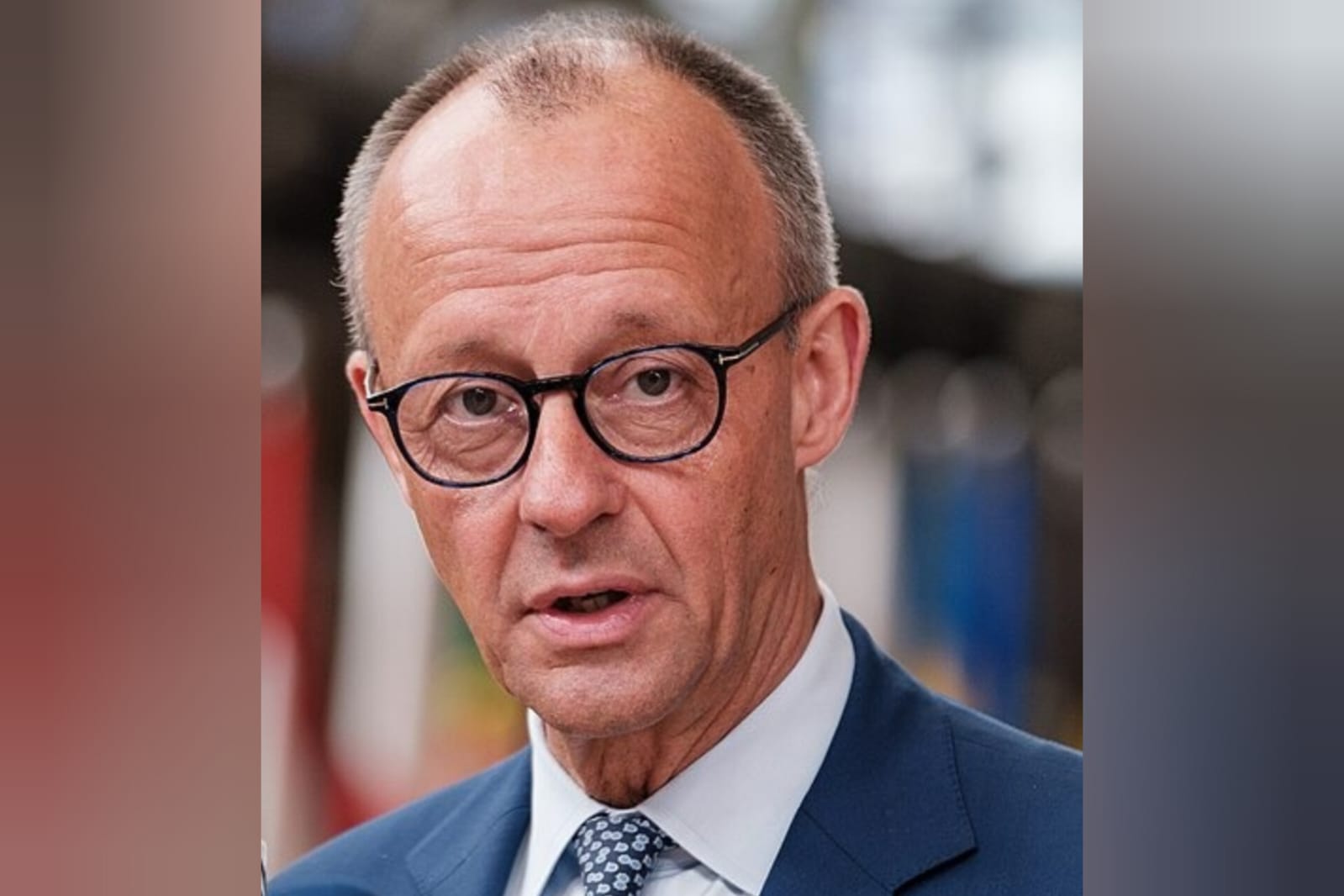
Amid ongoing tensions with former U.S. President Donald Trump over military actions in Iran, German Chancellor Friedrich Merz has openly expressed reservations about the United States as a viable destination for education and employment. Speaking at a youth conference in Würzburg, Merz, who is typically seen as having strong transatlantic ties, remarked that he no longer perceives the U.S. as the “land of opportunity” due to its rapidly evolving social climate. “I am a great admirer of America. At the moment, my admiration is not growing,” Merz stated, highlighting the challenges even well-educated individuals face in securing jobs in the U.S.
Merz’s comments have sparked a swift backlash, particularly from those aligned with Trump. Richard Grenell, a former Republican foreign policy adviser and ambassador to Germany, criticized Merz on social media, accusing him of inconsistency and lacking strategic direction. Simultaneously, Alice Weidel, leader of Germany’s far-right Alternative für Deutschland party, criticized Merz for allegedly steering Germany into economic and social difficulties while cautioning against the U.S. political climate.
The backdrop of these remarks includes ongoing disputes over trade, military aid to Ukraine, and the overall health of the NATO alliance. Merz has been vocal about the adverse effects of U.S.-Israeli actions in Iran on European interests, particularly following the closure of the Strait of Hormuz. These tensions were further exacerbated by Merz’s blunt comments on Iran’s perceived humiliation of the U.S., which led to a partial troop withdrawal from Germany and increased tariffs on EU car imports, striking a blow to the German economy.
Despite these challenges, Merz remains committed to nurturing the transatlantic relationship, even as his approval ratings decline domestically. He recently communicated with Trump over the phone, discussing key geopolitical issues such as Iran, Ukraine, and the upcoming NATO summit in Ankara. In his communication, Merz emphasized the strong partnership between the U.S. and Germany within NATO, signaling his intent to maintain diplomatic ties despite recent disagreements.